
The Psychology of Risk and Reward
The allure of casino gambling is deeply rooted in the psychology of risk and reward. Each time a player buys chips or places a bet, they engage in a complex mental process where the potential for reward outweighs the innate understanding of loss. This phenomenon is often amplified by the casino environment, designed to evoke excitement and anticipation, driving individuals to chase the thrill of winning. For those looking to enhance their gambling experience, checking out nevada sportsbook promos can be a great starting point. This dynamic can lead to a cascade of emotions, where the highs of winning can overshadow the rational understanding of probabilities.
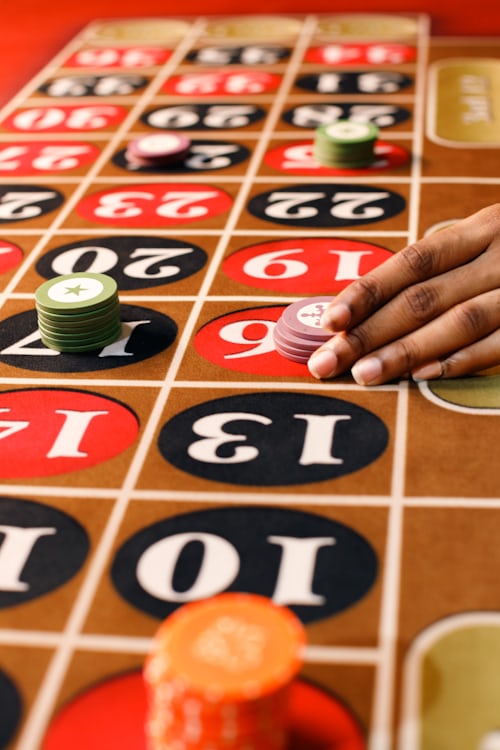
Furthermore, the concept of «loss aversion» plays a significant role in gambling psychology. People tend to experience the pain of losses more acutely than the joy of equivalent gains. This can compel players to continue gambling in hope to recover losses. Casinos capitalize on this behavior by encouraging players to stay longer and gamble more, creating a cycle that can be difficult to break.
The Role of Cognitive Biases
Cognitive biases heavily influence decision-making in casino settings, often leading individuals to make irrational choices. One common bias is the «gambler’s fallacy,» which is the mistaken belief that past events can influence future outcomes in games of chance. For instance, a player may think that a slot machine is due for a win after a series of losses, prompting them to continue playing beyond their means. This fallacy can result in significant financial losses as players chase nonexistent patterns.
Moreover, the «illusion of control» is another cognitive bias that is prevalent in gambling. Players often believe they can influence outcomes in games that are purely chance-based, such as roulette or slots. This belief can create a false sense of confidence, driving players to make riskier bets and leading to greater losses in the long term. Understanding these biases is crucial for players who wish to gamble responsibly.
The Impact of the Casino Environment
The atmosphere of a casino is meticulously crafted to enhance the gambling experience. From the sensory overload of lights and sounds to the strategic placement of games, every aspect is designed to keep players engaged and entertained. This immersive experience can lead to a state of «flow,» where players lose track of time and their surroundings, focusing solely on the game. Such an environment can intensify the psychological thrill of gambling, making it easy for individuals to forget their limits.
Additionally, casinos often employ psychological tactics such as near-misses, where players come close to winning but fall short. This can create a compelling narrative that encourages them to keep playing, as they feel just on the verge of success. By understanding the power of the casino environment, players can be more mindful of the psychological tricks at play and recognize the importance of self-discipline.
The Importance of Strategy and Self-Control
Successful casino gambling is not solely based on luck; strategic thinking and self-control are vital components. Players who approach gambling with a clear strategy often fare better than those who rely on chance alone. This can involve setting strict budgets, understanding the odds of each game, and knowing when to walk away. The ability to detach emotions from decision-making can also help in maintaining discipline, allowing players to stick to their plans and avoid impulsive decisions driven by excitement or frustration.
Moreover, effective bankroll management is essential for longevity in gambling. Successful players often allocate specific amounts for each session and avoid chasing losses, which can lead to significant financial difficulties. By adopting a strategic mindset, players can reduce the psychological pressures associated with gambling and enhance their overall experience while minimizing risks.
Prioritizing Safety and Responsible Gambling
While the thrill of casino gambling can be enticing, it is crucial to prioritize safety and responsible gambling practices. Players should always be aware of the risks involved and recognize the signs of problematic gambling behavior. Understanding the psychological factors that contribute to gambling addiction can empower individuals to make informed decisions and seek help if necessary.
In addition, the importance of utilizing protective measures, such as setting loss limits and taking regular breaks, cannot be overstated. Online platforms often have resources available to assist players in maintaining control over their gambling habits. By fostering a culture of safety and responsibility, both casinos and players can contribute to a healthy gambling environment that prioritizes enjoyment without compromising well-being.